Call: (08) 9250 4575
8.30 - 4.00 Monday - Friday
8.30 - 2.00 Saturday
(closed Sunday)
Perth gardening advice and exclusive offers: Subcribe to our Newsletter

| Shopping cart is empty. |
|
In fact, worms can eat anything that was once living - including cotton fabric, dog hair, vacuum cleaner dust, paper - etc! It is recommended not to feed worms meat or bread, simply to prevent flies and prevent the waste from turning rancid. Composting worms as sold for worm farms are different from the earthworms you find in your garden. Composting worms (usually red wrigglers or tiger worms) are more suited to devouring animal waste and are surface feeders. Their voracious appetite make them particularly suitable for converting waste into wonderful worm castings! Generally, composting worms do not survive if released into garden beds - unless you can ensure a constant supply of food (eg. manure or compost). If you don't provide it they may move on - worms are happy to migrate next door if your neighbour seems to be providing a better diet! You can make your own simple worm farm from a polystyrene vegetable box. Other great recycling ideas include an old fridge turned on it's back. Or you can make your own timber or tin construction - whatever floats your boat! Many good information sources are out there with instructions on how to do it - assuming you have the time and the space. Commercial worm farms have been developed as an easy alternative. Whilst there are several options on the market, we recommend and sell the 'Worm Cafe'.
The next tier is where you introduce the worms. When worms are purchased, they come in their 'bedding' material. This usually comprises aged manure and newspaper pulp. This bedding keeps them protected, moist and provides their food at the same time. So all this material goes into the worm farm, and the scraps you provide for food are placed on the top. Worms will go up to feed, and retreat to their bedding to do whatever else worms do! Eventually, the food scraps are converted to castings and the tier is full. So then the next tier is added and food scraps are placed in this. And so on until the next tier is added. By the time the very last and top tier is full, the bottom tier will be lovely, aged castings and the worms will mainly be closer to the top and their food source. At this stage, you can empty the bottom tier into the garden to harvest the castings, and this tier goes back on top next time - so you have a constant cycle going around and around. The Worm Cafe does come with comprehensive instructions to help you get started, but here are some other tips to consider:-
So have we convinced you of all the benefits yet? Our Worm Farm Starter Kit contains:-
And our second wormy fact sheet - "What to feed worms, how to harvest worms or castings from a worm farm, and what are castings good for?" |
| Visit The Green Life Soil Co for a range of quality garden supplies and organic garden products. |
| Helping You Grow a Better Garden |
| Shopping cart is empty. |




OPEN 6 DAYS
Monday - Friday 8.30am - 4.00pm
Saturday 8.30am - 2.00pm
Closed Sundays














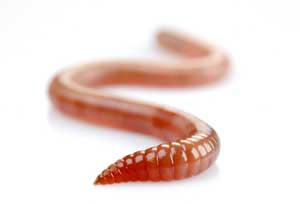 Wonderful Worms: Establishing a worm farm is easy, and a great way to save kitchen scraps from going into landfill.
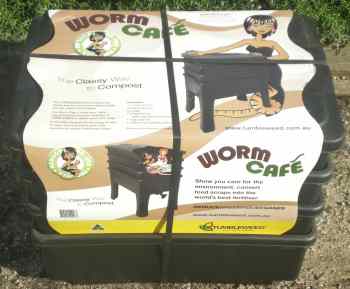 The Worm Cafe is a simple tiered system. The bottom layer is simply for drainage. Worms like to be in a moist environment (like a wrung out sponge) but will drown if too wet. The drainage tap should be left open to prevent flooding. Temporarily running the hose through the worm farm in order to collect liquid castings is fine - providing the water drains through and is not allowed to sit.