Call: (08) 9250 4575
8.30 - 4.00 Monday - Friday
8.30 - 2.00 Saturday
(closed Sunday)

Perth gardening advice and exclusive offers: Subcribe to our Newsletter

| Shopping cart is empty. |
Browse our Newsletter Archive below for more articles & growing guides! The most recent Newsletters are on top of the list! If you enjoy these, Sign Up for our Newsletter Today! We will let you know when a new newsletter is available online.
Sign Up to Our Newsletter!
Welcome to September - there’s no mistaking that spring is on its way! The days are getting longer, there’s fresh growth appearing everywhere and our gardens are starting to wake up after winter. Djilba is traditionally a season of change here in the South West, with a lovely mix of chilly mornings, warmer days and the occasional burst of rain. This month, we've got inspiration galore with articles on:

As we move into August, we're also entering Djilba - the Noongar season of first spring. While many Perth gardeners are asking, "Where has winter gone?", Djilba reminds us that nature is already preparing for the warmer months ahead. Although this winter has been drier than many of us hoped, the landscape is beginning to stir.

We've passed the marker of the Winter Solstice, and believe it or not, the days are slowly getting longer again. It's still Winter - with cold days & nights, and hopefully more rain to come... but aren't the sunny, winter days just wonderful? I hope you're making the most of them and enjoying your garden. This month, we hope you enjoy our newsletter with tips & advice on growing Asparagus (our rhubarb and asparagus crowns have now arrived!) and an article on citrus care in Winter... a little bit of attention now will go a long way to a healthier tree and an abundant harvest.

Hello & welcome to Winter! It's Makuru, the Noongyar season of fertility, when many native birds and animals begin to nest and breed, while water and food sources are abundant in the cooler weather and into Spring. While we tend to think our gardens slow down in winter (and sometimes, growth does) - in our temperate Perth climate, it's a great time of year to take advantage of milder conditions and do the groundwork (pun intended) to build fertility in our gardens.

Hello - here we are, Welcome to MAY! Djeran is here - Cooler nights, dewy mornings - the seasons are really changing. Autumn is such a lovely time in Perth, with cooler but clear, sunny days, and the odd rainy day in between - doing the job of watering our gardens and refreshing things. Green Life Soil Co has had a very busy March and April - we're pleased and humbled by the amount of customer referrals we receive. A big thank you to our loyal customers for helping to spread the word about what we do.

Hello and welcome to April - The milder weather we've seen lately has been appreciated, and given many of us the chance to tackle some overdue outside tasks. With Easter giving many of us a couple of extra days off, it's been a busy time at Green Life with people stocking up on their Autumn gardening essentials. April is such a productive time to rejuvenate your garden and get things thriving - don't miss the opportunity!

Hello and welcome to Autumn! March is still in Bunuru - the hottest part of the year in the Noongyar calendar; and we have certainly experienced some warm weather this last week. However I'm sure you've noticed the days are getting a little shorter, and that means that over coming weeks, the seasons are starting to shift ever so slightly. It's a fabulous time to prepare and plan for new seasons crops and rejuvenating your garden after summer. In this newsletter, we've got an article on getting your lawn back in tip top shape, and the importance of addressing any garden soil issues now.

Hello and welcome to FEBRUARY! School goes back soon, we're bound to have a heatwave (or two!) and the year seems to be picking up speed. We're entering the Noongyar season of Bunuru - the hottest part of the year, with little to no rain. While it's certainly not fabulous to be gardening in the heat of the day, I do love summer evenings outdoors; watching a good sunset. February in the garden feels like a bit of a holding pattern - watching, watering, harvesting, mulching - but as the month rolls through, it's also time to be prepping and planning for Autumn; which officially arrives in March. We've got a handy reminder of timely tips & jobs below, so there's no excuse not to get busy!

Welcome to January! Amazing to think we're now in 2026! Six years since we moved to our "new" site. Just wild how fast it's flown by. Have you had a lovely Christmas? I hope you have enjoyed a little bit of down time spending it with family & friends and perhaps even had some time for your garden? While Christmas day was a scorcher, it's been nice to have some less crazy days and cooler nights, for sure! There's always something to be enjoyed in your garden - no matter what time of year. So check out this month's newsletter for top tips & inspiration.

Welcome to December; the start of summer and a fresh new season in the garden! With Birak bringing warmer days, cooling sea breezes and those iconic Christmas trees about to burst into bloom, it’s the perfect time to get your garden prepped and thriving. This month we’ve packed the newsletter with practical tips, what to plant now, our top seven December garden jobs, a deep dive into the power of Charlie Charcoal, plus a special offer and your chance to win tickets to the Kalamunda Garden Festival. Grab a cuppa, take a well-earned breather, and enjoy a helpful dose of inspiration to keep your garden growing strong through summer.
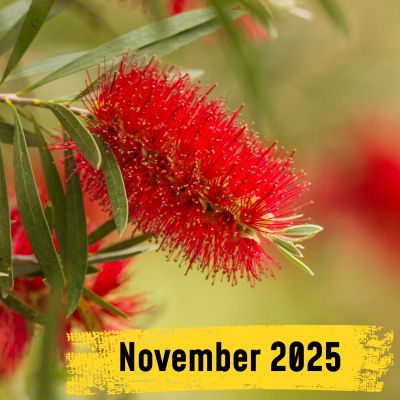
Hello, and welcome to November! It's been a lovely Spring so far, and we've been busy at Green Life with so many of you taking advantage of this great weather to get your gardens organised and ready for summer. If you're still looking out the window thinking "I've got to get out there and get that garden sorted!" - you haven't missed the boat yet - so get busy and get it done!
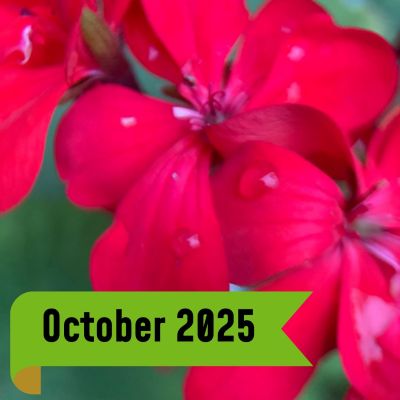
Hello and welcome to October! Spring feels like it's finally here... Around now, the Noongyar seasons transition to Kambarang - the weather is warming, there's plenty of native plants in bloom, and the birds are nesting. (Yes, it's magpie season!!) Our gardens are definitely waking up - there's flushes of new growth and summer vegies are germinating as the ground warms. It's a lovely time to be outdoors in Western Australia.

Hello & welcome to September! It's officially Spring; and we're moving through Djilba in the Noongyar calendar; the first spring. We've certainly had some RAIN - with it being (as I write) the wettest winter since 1996. Long term, it's great for our environment; the creeks and waterways are certainly flowing well in the catchment areas. How is your garden coping? We'll be having warmer, sunnier days soon - so enjoy the rain while it lasts!
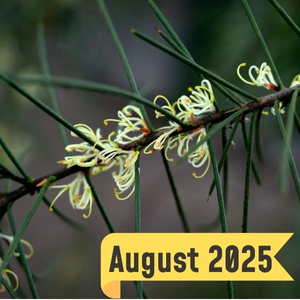
Welcome to August! Around now we transition from Makuru to Djilba - the first Spring in the Noongyar seasons. It's a time where we can have clear, sunny but super cold days, and slightly warmer but rainy days too - eventually we'll transition to warmer weather as the seasons roll around. Wildflowers will be blooming soon, and we'll see young animals and birds venture out with their parents... (and yes, that means it's almost Magpie swooping season again!) July has been wet and cold - but it hasn't slowed the weeds down any! We've got an article on weeds in this newsletter, so keep reading. In winter, our yard does get a little muddy so if you're coming in - wear suitable footwear/boots (and you may want to stick some newspaper or cardboard in the footwell of your car if you're very car proud). We're in the process of putting down some roadbase to help.
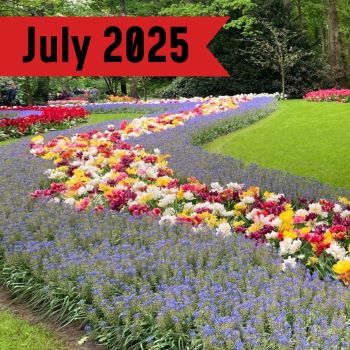
Welcome to July!! Winter has certainly arrived - we've had some very wet weather earlier in June, and some of Perth's typical sunny winter days too - clear days with cold nights. Although we need the rain, it's meant things are pretty quiet around Green Life - so we're getting some odd jobs done and you might see that the team have been redecorating! Let us know what you think next time you come in. Paul and I are back from our European adventure; we had a lovely time and enjoyed fabulous weather...
Welcome to June - it's officially winter... Perth winter is mild really - it's a great time to get outside and catch some winter sun, and get your garden thriving before the next wave of summer hits. We've got some ideas of projects to think about in this newsletter, and lots of other top tips for your garden.
Hello and welcome to APRIL! (Djeran in the Noongyar calendar) Milder weather? It's coming, despite the last burst of summer we've just had - which means it's the perfect time to get out and garden. There's so much going on at the moment - saving seed from summer crops, planning new garden beds, prepping soil, starting seedlings!! It's a busy time socially too, with Easter & Anzac days coming up this month. We've got a few changes coming to GLSC, so do check out the info...
Hello, and welcome to MAY! We're in Djeran, with cooler weather, cooler nights... and maybe we'll see a little rain?? It's a great time to be in the garden - with really lovely, mild Perth weather. We've got lots of info & tips to inspire you, so read on!
Hello & welcome to MARCH! It's been a busy start already with the Kalamunda Garden Festival on Sunday 2nd! We had a great day as always - catching up with lots of industry friends and learning from our amazing speakers. It seems we're on summer's last hurrah - these cooler nights and slightly cooler days have been lovely, haven't they? The garden's already looking a little stronger. It's the perfect time to get busy and get planting!

Hello & welcome to February! Summer has definitely arrived; with HOT days (and nights) - taking a toll on our patience and our gardens!! It's Bunuru - the Noongyar season of the hottest part of the year, and I think we all feel it! But the good news is February is the last (official) month of summer and we know that the seasons will roll on. Autumn is such an exciting time for gardening in Perth and I know you're all looking forward to it.
Hello & welcome to 2025! Amazing how quick the years seem to roll around; it's now 5 years since we moved to Wilson Road, and - can you believe - 25 years since the turn of the century and the Y2K drama. Life goes by so quickly - make sure you take some time for YOU and do the things you love in 2025. Hopefully - that means spending some time in nature and enjoying your garden. This month, I have included an update about the Queensland Fruit Fly outbreak - if you're in the red zone (see DPIRD's website) all of us gardeners THANK YOU and feel your anguish at having to strip your fruiting plants... we really appreciate your sacrifice! Let's hope this pest can be eradicated once again; it is a worse pest than the existing fruit fly (Mediterranean Fruit Fly) that we already deal with - so home gardeners AND commercial growers are counting on people to do the right thing. If you have friends or family in the affected area, please make sure they're aware of the problem and ask that they spread the word amongst neighbours.
Hello and welcome to DECEMBER It's officially Summer - Birak; the first nations people's 'first summer' season - with warmer easterly winds (traditionally in the morning) and cooler sea breezes (in the afternoon). It was traditionally a time for mosaic burning to aid seed germination and to ease passage through the landscape. Many young animals are about and fledglings are leaving the nest. In our gardens, it's time to do the prep work for when serious summer temperatures arrive. It's also the lead up to Christmas! Such a busy time of year; work parties, family catch-ups, club wind-ups - there's always a lot to do. We hope you have a lovely month - regardless of the busy-ness; we're looking forward to a little break at Christmas after a busy Spring.




OPEN 6 DAYS
Monday - Friday 8.30am - 4.00pm
Saturday 8.30am - 2.00pm
Closed Sundays